Solar Buyback Plans in Texas: Are They Worth It for Homeowners?
Considering solar panels? Learn how buyback plans work, what rates to expect, and whether they make financial sense.
Introduction
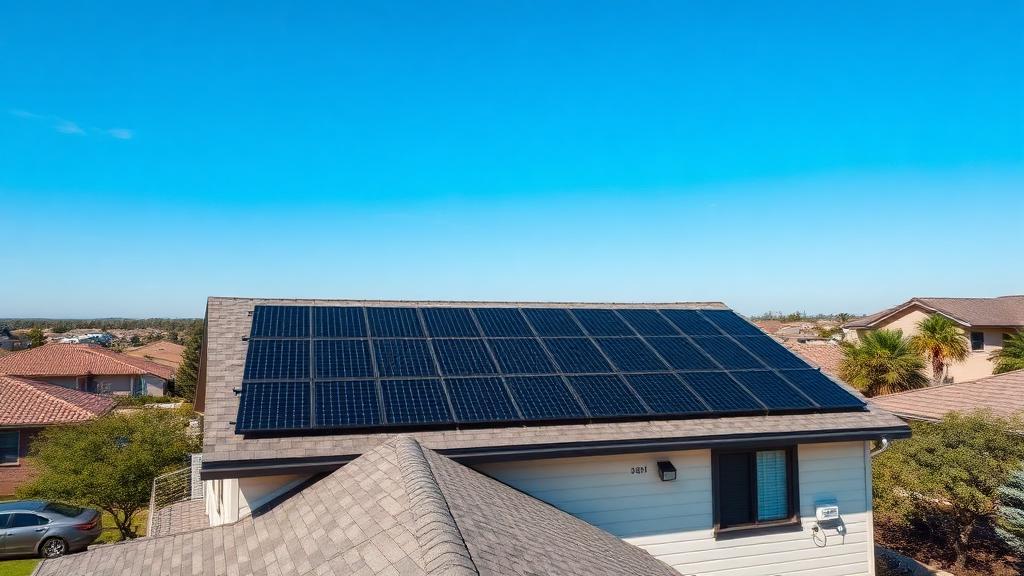
Solar power in Texas is booming. With abundant sunshine and high electricity costs, many homeowners are considering rooftop solar panels. But here's the key question: what happens to the excess electricity your panels produce?
Enter **solar buyback plans**—electricity plans that credit you for the surplus energy you send back to the grid. But are they worth it? Let's break down the numbers, the providers, and the real-world returns.
How Solar Buyback Plans Work
When your solar panels produce more electricity than you're using at any given moment, that surplus flows back into the grid. With a traditional plan, you'd lose that value. With a buyback plan, you get credit.
The Basic Mechanism:
Texas Buyback Rates (2025):
Most Texas buyback plans credit between **5-12¢/kWh** for exported electricity. Compare this to buy rates of 12-18¢/kWh, and you'll see the math isn't perfectly balanced.
Pros and Cons of Buyback Plans
✅ Pros:
**Reduced Bills:** Even at lower buyback rates, credits offset your consumption.
**Energy Independence:** Produce your own clean energy and rely less on the grid.
**Environmental Impact:** Lower your household carbon footprint.
**Potential ROI:** In the right circumstances, solar panels can pay for themselves in 7-12 years.
**Future Hedge:** Lock in energy costs against future rate increases.
❌ Cons:
**Buyback Rate Gaps:** You're often credited less than you pay. Export at 8¢, buy at 15¢ = net loss on exports.
**High Upfront Costs:** Residential solar systems cost $15,000-30,000+ (before incentives).
**Roof Requirements:** Not all roofs are suitable (age, shading, orientation).
**Plan Limitations:** Not all providers offer buyback; options may be limited.
**Policy Uncertainty:** Buyback rates and rules could change in the future.
Calculating Your ROI
Let's work through a realistic example:
Assumptions:
Monthly Breakdown:
Payback Period:
$14,000 ÷ $136/month = **103 months (about 8.5 years)**
After payback, you're essentially generating $1,600+ in annual savings/value.
Top Solar Buyback Providers in Texas
Several Texas providers offer competitive buyback rates:
*Rates vary by plan and change frequently. Always verify current offers.*
2025 Incentives and Tax Credits
Federal Investment Tax Credit (ITC):
Texas-Specific:
Is Solar Right for You?
Solar Makes Sense If:
Solar May Not Make Sense If:
Battery Storage Considerations
Adding a battery system (like Tesla Powerwall) can:
However, batteries add $10,000-20,000 to system costs and extend payback periods. For most homeowners, batteries are a "nice to have" rather than financially necessary.
Next Steps
Interested in exploring solar for your Texas home?
Not ready for solar but want to go green? Many electricity plans offer 100% renewable energy without installing panels.
Questions about matching a buyback plan with your solar system? Reach out—we're happy to help you navigate the options.
Ready to Find a Better Plan?
Compare competitive electricity rates for your Texas home or business.